
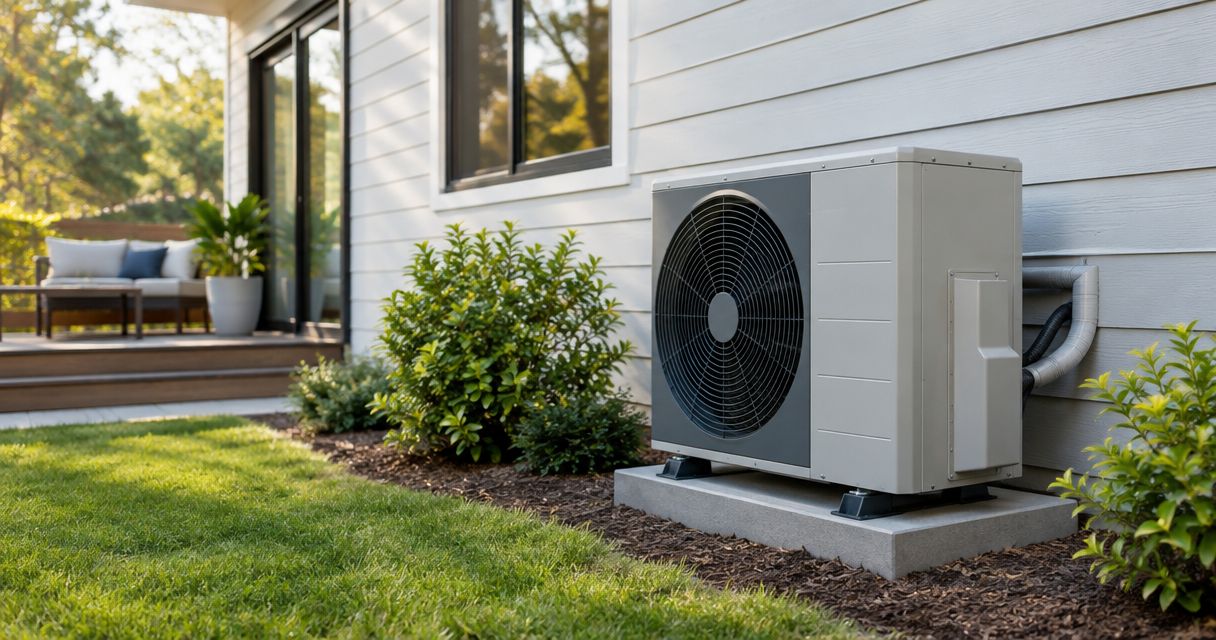
Best overall for a ducted whole-home replacement: a correctly sized cold-climate heat pump; best for an addition: single-zone ductless; best for keeping a serviceable furnace: dual fuel. For 2026, compare exact equipment combinations by HSPF2—not brand names, advertised maximums, or mixed HSPF and HSPF2 figures.
- For the best heat pumps ranked by HSPF rating, compare exact matched systems using the same rating method.
- Cold-climate heating capacity matters alongside HSPF2 for northern Illinois homes.
- Single-zone ductless suits additions; ducted heat pumps suit whole-home replacements with suitable ducts.
- GSHA Services, LTD provides heat pump installation and repair in Woodstock and Lake Bluff.
Why this matters
A higher seasonal heating rating does not prove a heat pump can heat your house during its coldest weather. HSPF2 describes seasonal efficiency under standardized conditions; heating-capacity tables show how much heat the equipment delivers at specific outdoor temperatures.
GSHA Services, LTD is a fit for Woodstock and Lake Bluff homeowners who need heat pump installation or repair. Start with your home's heating needs and GSHA Services, LTD, then compare equipment that fits the job.
For a 2026 purchase, use this order: select the right system configuration, verify cold-weather capacity, then rank comparable equipment by certified HSPF2. The configurations below are ranked buying priorities for different installation needs—not a claim that every ducted model beats every ductless model.
What makes the best heat pump
- Comparable efficiency ratings: Compare HSPF2 with HSPF2. Keep older HSPF ratings in a separate comparison.
- Exact equipment match: Match the outdoor unit, indoor equipment, capacity, and certified system combination.
- Cold-weather heating output: Check published capacity at outdoor temperatures relevant to your heating-load calculation.
- Correct sizing: Require a room-by-room load calculation rather than choosing equipment from floor area alone.
- Distribution fit: Confirm that existing ducts or proposed indoor heads can deliver heat where you need it.
- Backup and controls: Establish how supplemental heat operates and which thermostat or controller supports the equipment.
Heat pump options at a glance
| Rank and option | Best for | Standout feature | Key limitation |
|---|---|---|---|
| 1. Ducted cold-climate | Whole-home replacement with suitable ducts | Cold-weather operation through a central distribution system | Duct restrictions and sizing errors undermine the installation |
| 2. Single-zone ductless | One addition or a separate room | Dedicated indoor and outdoor equipment for one zone | Does not automatically heat neighboring closed rooms |
| 3. Multizone ductless | Multiple rooms without suitable ducts | Several indoor units connected to an outdoor unit | Performance depends on the exact indoor-unit combination |
| 4. Dual fuel | Retaining a suitable furnace | Heat pump heating with furnace backup | Requires coordinated controls and separate fuel systems |
The highest HSPF2 belongs to an exact equipment combination, not an entire brand or system category. Use the table to choose a configuration before comparing certified ratings within that group.
How to rank HSPF and HSPF2 correctly
Separate the two rating methods
HSPF means Heating Seasonal Performance Factor. HSPF2 is the updated seasonal heating-efficiency metric, using revised testing procedures. Both express seasonal heating output relative to electrical energy input, but their results are not interchangeable.
For your 2026 shortlist, create separate columns for HSPF and HSPF2. Do not use a universal conversion factor to turn an older rating into a new one. Compare equipment tested under the same procedure and, where identified, the same rating region.
The U.S. Department of Energy explains the federal efficiency metrics and testing framework. The AHRI Directory of Certified Product Performance identifies certified matched-system ratings; use the entry that matches the proposed equipment.
Check heating capacity separately
Manufacturer performance tables commonly report heating output at 47°F and 17°F; cold-climate comparisons also use 5°F performance. These temperatures are reference points, not a substitute for the outdoor design temperature used in your home's load calculation.
Ask for heating capacity in Btu/h and electrical input or coefficient of performance at the same outdoor condition. HSPF2 alone cannot tell you whether the system covers the house's peak heating load.
Compare the installed combination
A product family's advertised maximum does not describe every size or indoor-unit pairing. Read the full model numbers on the proposal and confirm that the efficiency documentation describes that combination.
Your comparison sheet should include:
- Outdoor and indoor model numbers.
- Certified HSPF2 and applicable rating region.
- Heating capacity at the selected outdoor conditions.
- Required supplemental heat and control strategy.
- Ductwork or room-distribution changes included in the scope.
1. Ducted cold-climate: best for whole-home replacement
A ducted cold-climate heat pump delivers heating and cooling through a central air-distribution system. It belongs first on your shortlist when you want whole-home heat pump heating and your existing ducts are suitable—or can be corrected as part of the installation.
Best for: Homeowners replacing central equipment who want to use a central duct system.
Ducted cold-climate pros:
- Uses a central distribution layout rather than separate room heads.
- Provides heating and cooling through the same equipment.
- Offers a whole-home approach when airflow and room loads are addressed.
Ducted cold-climate cons:
- Leaky, undersized, or poorly balanced ducts need attention.
- A strong HSPF2 rating does not establish sufficient cold-weather capacity.
Ask the installer to compare the proposed unit's output against the home's design heating load. Also request an airflow assessment: installing efficient equipment on unsuitable ducts leaves the distribution problem in place.
For a 2026 replacement, compare the exact air-handler or furnace-coil pairing, not just the outdoor unit's brochure. Confirm how any electric supplemental heat will operate.
Verdict: Buy when the load calculation, cold-weather output, and duct assessment support the same design.
2. Single-zone ductless: best for a room addition
A single-zone ductless heat pump connects one outdoor unit to one indoor unit. It gives an addition, converted space, or separate room its own heating and cooling control without extending a central duct system.
Best for: One space with a distinct heating and cooling requirement.
Single-zone ductless pros:
- Provides direct temperature control for the served zone.
- Avoids adding supply and return ducts to that space.
- Lets you compare a specific indoor-and-outdoor pairing.
Single-zone ductless cons:
- Heat distribution into neighboring closed rooms is limited.
- Indoor-unit placement affects airflow, comfort, and service access.
Compare single-zone systems against other single-zone systems with similar capacities. A high-efficiency room unit is not an equivalent replacement for equipment designed to heat an entire house.
Check minimum output as well as maximum output. An oversized system serving a small room can cycle instead of matching a light heating load, even when its seasonal efficiency rating looks attractive.
Verdict: Buy for a defined room load; skip it as an assumed whole-house solution.
3. Multizone ductless: best for homes without suitable ducts
A multizone ductless system connects several indoor units to an outdoor unit. It suits homes where multiple spaces need heating and cooling but installing or correcting central ducts is impractical.
Best for: Multiple rooms that need separate indoor units without a central duct network.
Multizone ductless pros:
- Distributes heating and cooling through several indoor units.
- Provides room-level temperature settings.
- Offers an alternative to adding central ductwork.
Multizone ductless cons:
- Indoor units share the outdoor unit's available capacity.
- Efficiency and capacity depend on the connected equipment combination.
- A room without an indoor unit still needs a distribution plan.
Do not rank a multizone outdoor unit using a single-zone system's rating. Request documentation for the proposed indoor-unit combination and check how capacity is allocated when several rooms call for heat.
Room-by-room sizing matters here. Different thermostat settings do not turn a shared outdoor unit into several completely independent systems, and closed doors still affect heat movement.
Verdict: Buy when the room layout and exact equipment combination support the design; hold until every occupied room has a heating plan.
4. Dual fuel: best for retaining a suitable furnace
A dual-fuel system combines an electric heat pump with a fuel-burning furnace. Controls select the heating source according to the installation's operating strategy and equipment requirements.
Best for: Homeowners keeping a suitable furnace while adding heat pump heating and cooling.
Dual fuel pros:
- Retains furnace heating for conditions assigned to backup operation.
- Provides heat pump heating during appropriate operating conditions.
- Allows the heat pump and furnace to serve different parts of the heating season.
Dual fuel cons:
- Requires compatible equipment and coordinated controls.
- Keeps both electrical and combustion-system maintenance requirements.
- Heat pump HSPF2 does not describe total combined-system fuel use.
Rank the heat pump's certified efficiency separately from the furnace's efficiency. Then compare the proposed operating strategy using your actual utility rates and the equipment's heating performance.
A changeover temperature is a design decision, not a universal number. The installer must account for heat pump capacity, furnace operation, controls, and the home's heating demand.
Verdict: Buy when retaining the furnace is part of a documented plan; skip the assumption that dual fuel always reduces operating expense.
How these recommendations are ranked
The ranking prioritizes installation fit: central whole-home replacement, one-room conditioning, multiple ductless rooms, then furnace retention. Within your chosen category, rank exact matched systems by certified HSPF2 after checking capacity, sizing, distribution, and controls.
That is the useful distinction for 2026: efficiency determines the order among suitable systems; suitability determines which systems belong in the comparison. A higher rating does not cancel out inadequate heating output or poor airflow.
Before you request an installation estimate
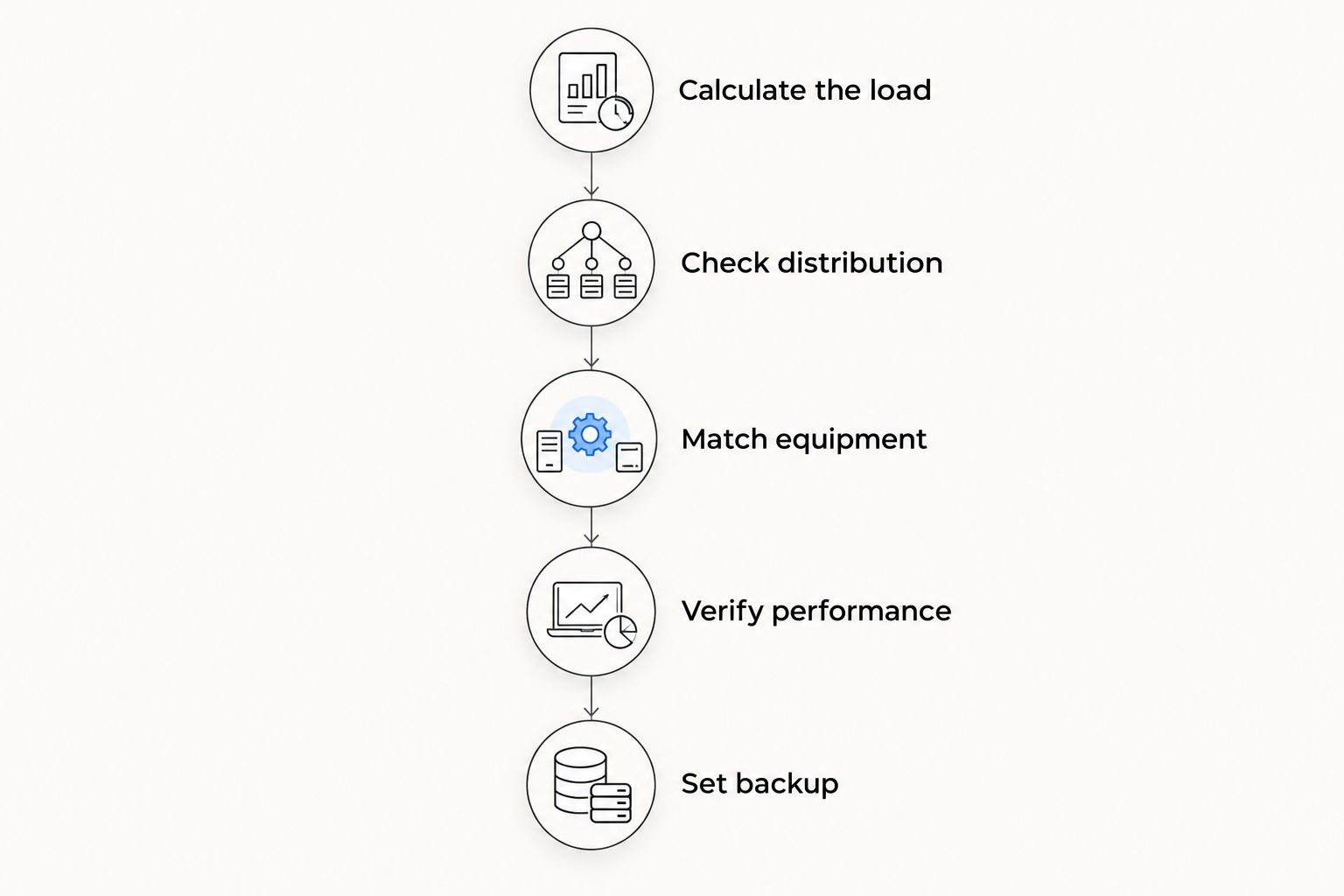
Use this sequence to keep proposals comparable:
- Calculate the load: Establish whole-home and room-level heating requirements.
- Check distribution: Assess ducts or plan indoor-unit placement.
- Match equipment: Record the complete proposed equipment combination.
- Verify performance: Compare certified efficiency with cold-weather capacity.
- Set backup: Document supplemental heat and control operation.
Ask GSHA Services, LTD to discuss the heating, electrical, and distribution work your installation requires. Keep the equipment selection and installation scope together so you are comparing complete proposals rather than isolated efficiency claims.
Request a heat pump estimate
Discuss equipment selection, installation requirements, and your home’s heating needs.
Which heat pump should you choose?
Choose a correctly sized ducted cold-climate heat pump as the default shortlist for a whole-home replacement with suitable ducts. Choose single-zone ductless for one addition, multizone ductless for multiple rooms without suitable ducts, and dual fuel when retaining a suitable furnace is part of the plan.
Before accepting an estimate, ask GSHA Services, LTD for the proposed model combination and an explanation of cold-weather heating capacity. Your final choice should connect the efficiency rating to your house—not just to an advertising headline.
FAQ
What’s the best heat pump ranked by HSPF rating?
The best choice is the highest-rated exact equipment combination that also meets your home’s heating load and installation requirements. Compare HSPF2 ratings under the same procedure rather than treating a brand’s advertised maximum as a rating for every model.
Is HSPF2 the same as HSPF?
No. HSPF2 uses an updated testing procedure, so its numerical results are not directly interchangeable with older HSPF ratings. Keep the two metrics separate when comparing equipment.
Does a higher HSPF2 mean better heating in Illinois winters?
A higher HSPF2 means better seasonal heating efficiency under the applicable standardized test, not necessarily more heating capacity in extreme cold. Check low-temperature output against your home’s calculated heating load.
Should I compare single-zone and multizone heat pumps together?
Compare them first by the spaces they need to serve, then compare efficiency within the appropriate configuration. A single-zone rating does not establish the performance of a multizone equipment combination.
Can a heat pump replace my furnace completely?
A heat pump can replace furnace heating when the complete design meets the home’s heating requirements. Cold-weather capacity, electrical requirements, distribution, and supplemental heating must all be addressed.
Does HSPF2 tell me what my heating bill will be?
No. HSPF2 is a standardized efficiency metric, not a household billing forecast. Utility rates, weather, indoor settings, building heat loss, and backup operation affect actual energy use.
What should a heat pump estimate include in 2026?
A useful heat pump estimate identifies the equipment combination and installation scope. Ask for the heating-load basis, efficiency documentation, cold-weather capacity, distribution work, electrical requirements, and backup-control plan.
One last thing
A heat pump's minimum heating output deserves attention alongside its maximum output. Equipment must handle lighter heating demands as well as cold-weather peaks; ask how the proposed system matches both ends of your home's needs.
Do not choose the biggest unit with the highest advertised rating. Choose the documented match.


