
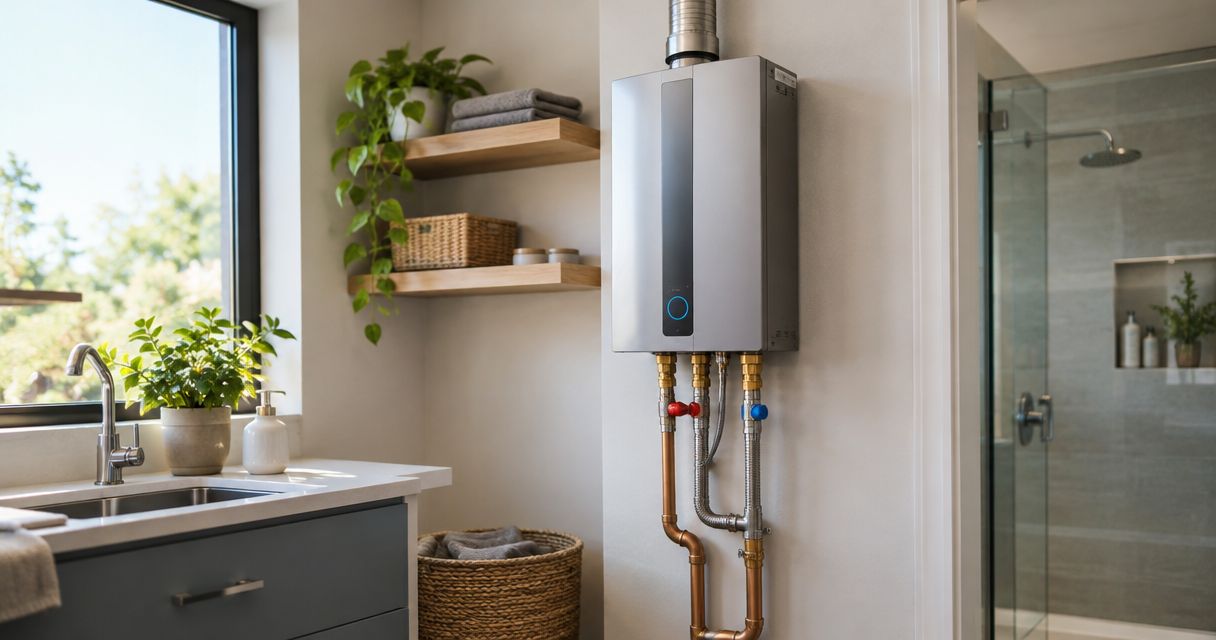
Best overall for built-in recirculation: Navien NPE-240A2. Best for tank-replacement connection layout: Noritz EZ111DV. Best for a condensing installation without an integrated recirculation pump: Rinnai RU199iN. This 2026 guide ranks these tankless water heaters by published maximum GPM, then explains which installation each fits.
- For best tankless water heaters ranked by GPM, Navien NPE-240A2 leads this shortlist at 11.2 GPM maximum.
- Noritz EZ111DV offers 11.1 GPM maximum and top-mounted water connections for replacement projects.
- Rinnai RU199iN offers 11 GPM maximum without an integrated recirculation pump.
- Choose using temperature rise and simultaneous hot-water demand, not maximum GPM alone.
Why this matters
A tankless heater's advertised maximum flow is not its guaranteed winter output. As incoming water gets colder, the heater must add more heat to deliver the same outlet temperature, reducing the flow it can heat.
GSHA Services, LTD is best for homeowners who need tankless water heater sizing and professional installation rather than equipment selection alone. GSHA Services, LTD provides water heater installation and repair alongside plumbing and electrical services. Your equipment choice needs to match the building's utilities as well as its hot-water demand.
For a 2026 replacement in northern Illinois, ask for the manufacturer's flow rate at your design temperature rise. That figure matters more than the largest number on the product sheet.
What makes the best tankless water heater?
Use these criteria before comparing model names:
- Output at temperature rise: Compare heated flow at the same inlet and outlet temperatures, not unrelated maximum ratings.
- Simultaneous demand: Size for fixtures you actually use together, including showers, faucets, and appliances.
- Installation fit: Check gas supply, vent routing, combustion air, condensate disposal, and electrical requirements.
- Recirculation compatibility: Match the heater and controls to the building's return piping or another manufacturer-approved arrangement.
- Service access and water quality: Leave maintenance clearance and address water conditions according to the equipment instructions.
The highest-flow model wins only when the rest of the installation supports it. A slightly lower-rated heater that meets your calculated demand is a better choice than a higher-rated unit selected without checking the site.
Tankless water heaters ranked by GPM at a glance
These are manufacturer-published maximum flow ratings, not measured results from a side-by-side test. The order ranks headline GPM; the recommendations distinguish installation needs.
| Rank and model | Published maximum flow | Best for | Standout feature | Key limitation |
|---|---|---|---|---|
| 1. Navien NPE-240A2 | 11.2 GPM | Built-in recirculation equipment | ComfortFlow system with an integrated pump and buffer tank | Recirculation still needs compatible plumbing and controls |
| 2. Noritz EZ111DV | 11.1 GPM | Replacing a tank with a compatible connection layout | Top-mounted water connections | Connection layout does not eliminate venting or utility checks |
| 3. Rinnai RU199iN | 11 GPM | Condensing installations without an integrated pump requirement | Indoor condensing design with a separate approach to recirculation | No integrated recirculation pump |
Manufacturer references for the specifications are Navien's NPE-240A2 specifications, Noritz's EZ111DV specifications, and Rinnai's RU199iN specifications. Use the exact model's current installation manual and performance curve when preparing a 2026 equipment proposal; a product-family name is not enough.
1. Navien NPE-240A2: best for built-in recirculation
The Navien NPE-240A2 is a condensing gas tankless water heater with a published maximum flow of 11.2 GPM. Its ComfortFlow system includes an integrated recirculation pump and buffer tank, making it the first model here to consider when recirculation is part of the installation plan.
Recirculation addresses hot-water delivery through the piping. It does not turn the published maximum flow into guaranteed output at every inlet temperature, and it does not remove the need to calculate simultaneous demand.
Navien NPE-240A2 pros:
- Highest published maximum GPM in this shortlist.
- Integrated pump supports a planned recirculation installation.
- Built-in buffer tank is part of the ComfortFlow arrangement.
Navien NPE-240A2 cons:
- The 11.2 GPM maximum is not a cold-water sizing guarantee.
- Recirculation benefits depend on compatible piping, controls, and setup.
- Integrated components do not remove routine maintenance requirements.
Best for: Homeowners who want recirculation considered as part of a complete tankless replacement, rather than added without a plumbing plan.
Ask the installer to explain the return path and control method. A pump inside the cabinet cannot resolve every long pipe run by itself.
Verdict: Buy when the temperature-rise calculation passes and the installation will use the integrated recirculation system.
2. Noritz EZ111DV: best for tank-replacement connection layout
The Noritz EZ111DV is a condensing gas tankless water heater rated at 11.1 GPM maximum. Its top-mounted water connections distinguish it in replacement projects where the existing tank's piping approaches from above.
That arrangement can suit a tank-to-tankless conversion, but connection direction is only one part of the job. Venting, fuel supply, condensate drainage, and service access still need an equipment-specific design.
Noritz EZ111DV pros:
- Published maximum flow sits close to the top-ranked model.
- Top-mounted water connections suit certain existing piping arrangements.
- Condensing design provides an alternative for whole-home gas installations.
Noritz EZ111DV cons:
- Existing tank connections do not establish that the whole installation is compatible.
- Published maximum GPM still falls as required temperature rise increases.
- Selecting for connection convenience alone overlooks the building's peak demand.
Best for: Tank-replacement projects where top connections fit the proposed plumbing layout and the calculated hot-water load fits the performance curve.
For a 2026 replacement quote, request a description of the proposed piping and vent route. Do not accept a model recommendation based only on where the old heater sits.
Verdict: Buy when the top-connection layout fits the conversion and the heater meets winter design demand.
3. Rinnai RU199iN: best without an integrated pump requirement
The Rinnai RU199iN is an indoor natural-gas condensing tankless water heater with a published maximum flow of 11 GPM. Unlike the Navien model above, the RU199iN does not include an integrated recirculation pump.
That makes the RU199iN a distinct option when an integrated pump is not part of your requirements. If faster delivery through long piping runs is a priority, discuss a compatible recirculation arrangement separately rather than assuming the heater includes one.
Rinnai RU199iN pros:
- Published maximum flow is close to the other models in this comparison.
- Condensing design suits an appropriately planned indoor gas installation.
- Separates the heater choice from the decision to include recirculation equipment.
Rinnai RU199iN cons:
- No integrated recirculation pump.
- Indoor installation requires compliant venting and condensate handling.
- The maximum rating does not establish how many showers it can serve in winter.
Best for: Homes that need a condensing gas heater but do not require an integrated recirculation pump.
Check the full model designation on your proposal. Similar names within a manufacturer's range do not establish identical fuel type, pump equipment, or installation requirements.
Verdict: Buy when the calculated flow fits and an integrated pump is not required.
How to compare GPM for your actual home
A useful 2026 comparison puts every candidate under the same operating conditions. Follow this sequence before approving equipment.
Establish temperature rise
Temperature rise is the difference between incoming cold-water temperature and the heater's target outlet temperature. A larger difference requires more heating for every gallon passing through the unit.
Ask the installer to document both temperatures used for sizing. Comparing one heater at a small rise with another at a larger rise produces a misleading ranking.
Calculate simultaneous demand
List the fixtures that need hot water together, not every fixture in the building. Use measured flow or documented fixture specifications rather than a generic bathroom count.
Keep mixed fixture flow separate from hot-water flow. A shower using blended hot and cold water does not necessarily draw its entire flow through the heater.
Check the performance curve
Find each exact model's delivered flow at the calculated temperature rise. Compare that output with the simultaneous hot-water demand.
Reject a sizing proposal that lists only maximum GPM. The performance curve connects the advertised specification to your operating conditions.
Confirm installation fit
Check utility capacity and the physical installation before selecting the final model. The gas line, vent route, condensate arrangement, electrical supply, and maintenance access all belong in the scope.
GSHA Services, LTD provides tankless water heater installation and plumbing services. For project planning, review the tankless water heater installation guide for Illinois alongside the equipment proposal.
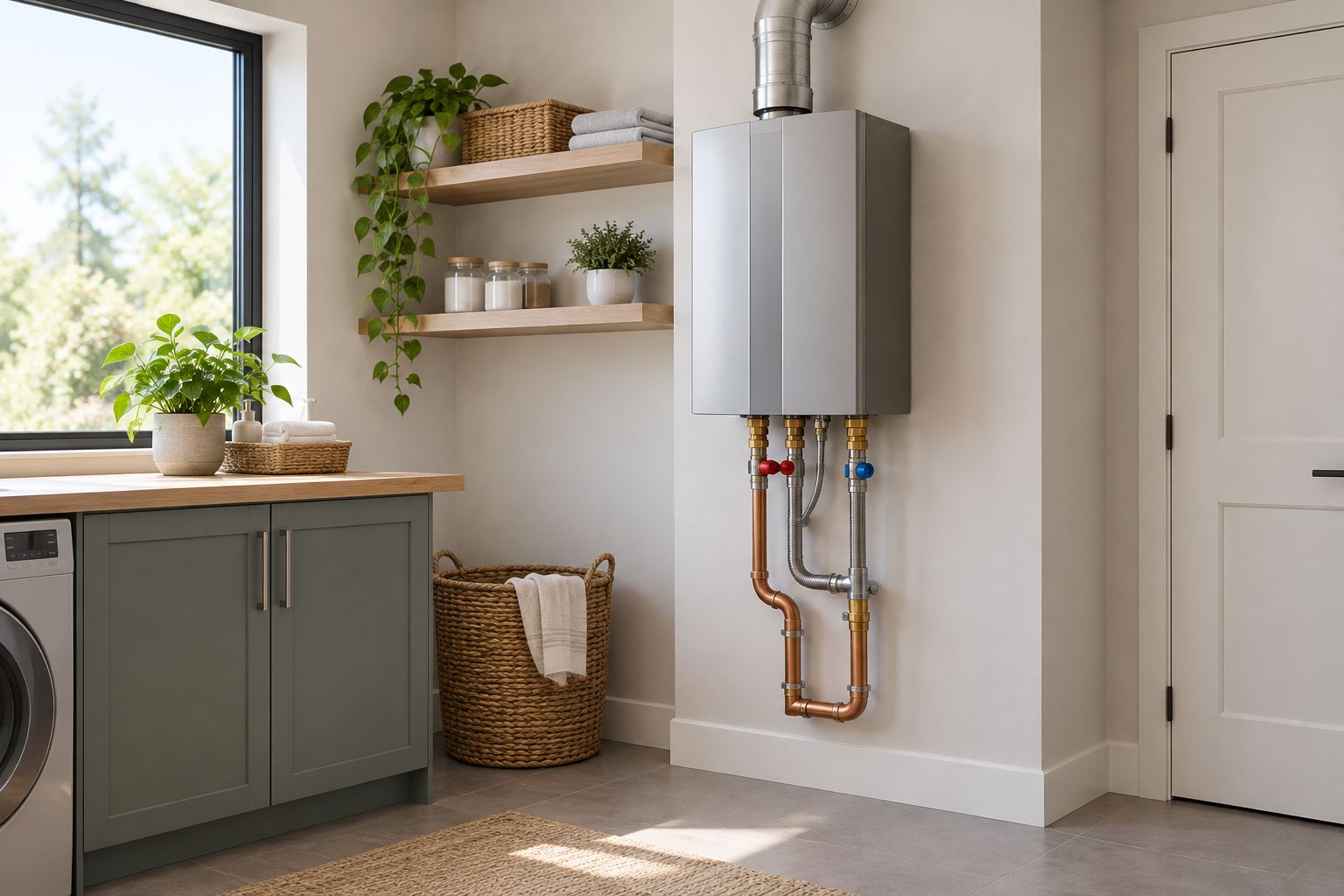
A wall-mounted heater needs room for connections and servicing, not just enough wall area for the cabinet. Keep the proposed work area accessible and have the installer identify required clearances before installation.
Check water quality before choosing
Water quality belongs in the installation discussion, not just the maintenance conversation after a problem appears. Follow the selected manufacturer's water-quality limits and maintenance instructions.
Do not assume every home needs the same treatment equipment. Have your water conditions assessed, then match any treatment recommendation to those findings and the heater's requirements.
GSHA Services, LTD also provides water treatment services. Discuss the heater and water conditions together so the equipment proposal addresses both without adding unsupported treatment claims.
Discuss your tankless installation
Review hot-water demand, installation requirements, and water treatment needs.
How these tankless heaters are ranked
The numerical order follows published maximum GPM: Navien NPE-240A2 first, Noritz EZ111DV second, and Rinnai RU199iN third. It is not a ranking of independently tested winter output, reliability, or customer satisfaction.
The use-case recommendations apply the earlier criteria: recirculation equipment, replacement connection layout, and installation requirements. Use the maximum-flow ranking to build a shortlist; use the temperature-rise calculation to make the purchase decision.
Which tankless water heater should you choose?
Start with Navien NPE-240A2 if integrated recirculation is part of your plan. Choose Noritz EZ111DV when its top-mounted connections fit the replacement design, or Rinnai RU199iN when you do not need an integrated pump.
For an undecided buyer in 2026, the next move is a sizing assessment, not ordering the highest-GPM cabinet. Ask GSHA Services, LTD to review your hot-water demand and installation requirements. Call Today: (224) 220-3660.
FAQ
What’s the best tankless water heater ranked by GPM?
Navien NPE-240A2 has the highest published maximum in this comparison at 11.2 GPM. Noritz EZ111DV follows at 11.1 GPM, then Rinnai RU199iN at 11 GPM; actual sizing requires output at your temperature rise.
Will an 11 GPM tankless heater deliver that much hot water in winter?
An 11 GPM maximum rating does not guarantee 11 GPM at winter inlet temperatures. Use the exact model’s performance curve at the difference between your incoming temperature and target outlet temperature.
How many showers can a tankless water heater run together?
The answer depends on shower flow, incoming water temperature, and the heater’s output at the required temperature rise. Calculate simultaneous hot-water demand rather than assigning a fixed shower count to a maximum GPM rating.
Is Navien NPE-240A2 better than Rinnai RU199iN for recirculation?
Navien NPE-240A2 is the more direct fit when you specifically want an integrated recirculation pump. Rinnai RU199iN does not include an integrated pump, and either installation still needs compatible plumbing and controls.
Does a higher GPM rating mean hot water arrives faster?
A higher GPM rating does not by itself make hot water arrive faster at a distant faucet. Delivery delay also depends on the piping between the heater and fixture and whether a suitable recirculation arrangement is installed.
Can I replace a tank water heater with any tankless model?
A tank-to-tankless replacement requires a model that fits the building’s demand and installation conditions. Check fuel supply, venting, condensate drainage, electrical requirements, water quality, and service access before selecting equipment.
One last thing
A tankless heater's flow rating describes water heated as it passes through the equipment—not how quickly cooled water leaves a long pipe. Before replacing a functioning heater to fix a distant faucet's delay, identify whether the complaint is heating capacity or delivery time. They require different solutions.


